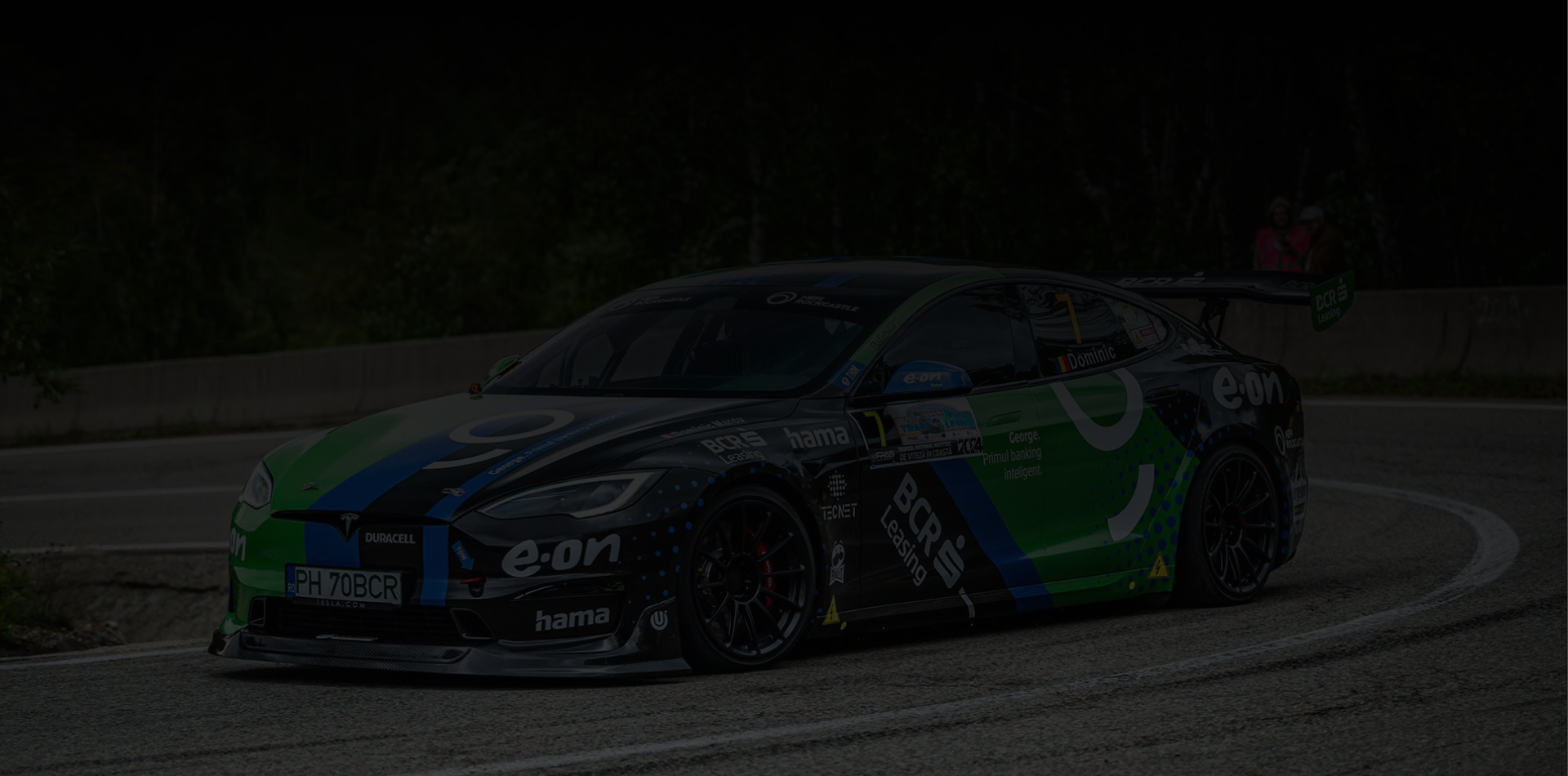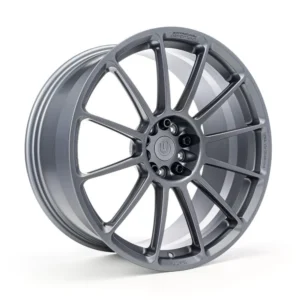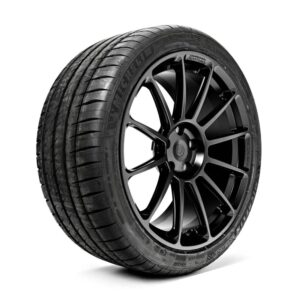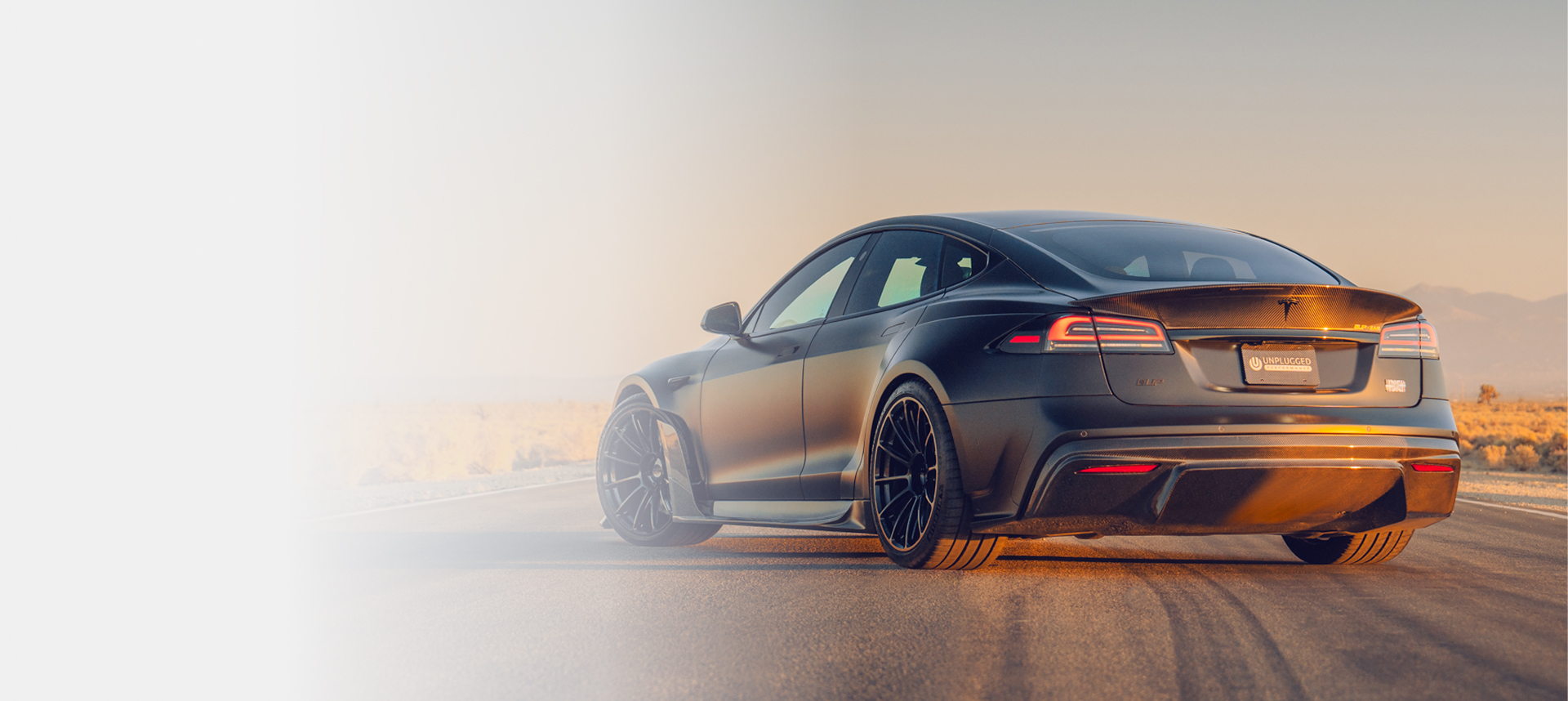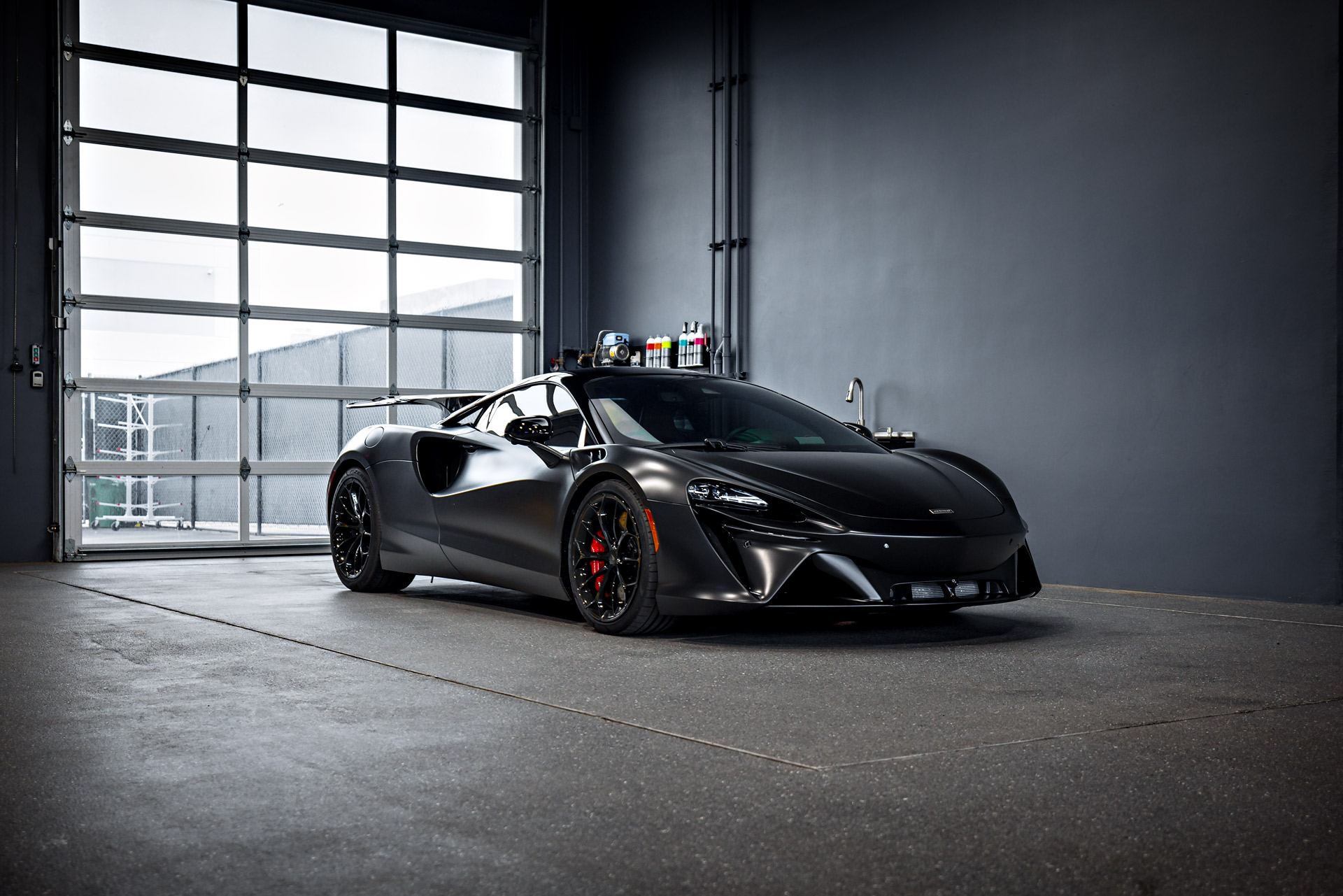
A wheel is one of the few components on a vehicle that is simultaneously structural, dynamic, thermal, and aesthetic. It carries the full weight of the car, transmits every input from the road to the suspension, absorbs heat from the braking system, and defines the visual stance of the vehicle from every angle. The craftsmanship standards applied to its manufacture have consequences across all of these roles simultaneously. UP.Forged was built to meet a specification that takes every one of them seriously.
Why the Material Choice Is the Foundation of Everything
The craftsmanship of any engineered component begins with the material specification, and the specification of 6061-T6 forged aluminum represents a deliberate choice to use the right material rather than an adequate one. The 6061 alloy offers a precipitation-hardening response that allows it to achieve high strength through heat treatment rather than through mass. The T6 temper, achieved through solution heat treatment and artificial aging, brings the alloy to its peak mechanical properties: high tensile strength, high fatigue resistance, and excellent resistance to corrosion in the environments that road vehicles encounter.
Forging this alloy, rather than casting it, produces grain alignment within the material that casting cannot replicate. The forging process compresses and shapes the aluminum under extreme pressure, causing the internal grain structure to flow with the contours of the finished part. This alignment produces a component where the strongest possible material orientation runs along the principal load paths. A forged wheel is not just made from better material than a cast wheel. It uses that material more efficiently, placing strength exactly where the structural analysis demands it.
Monoblock Construction and the Elimination of Weak Points
Every wheel in the UP.Forged lineup is a monoblock forging. The hub, spokes, and rim are one continuous piece of aluminum, formed in a single forging operation with no joints, welds, bonds, or mechanical fasteners of any kind. This matters because in any multi-piece or welded assembly, the joint is always the weakest point under cyclic fatigue loading. Road use subjects a wheel to thousands of load cycles per kilometer, and the cumulative effect of those cycles on a joint is fundamentally different from their effect on a homogeneous piece of material.
Monoblock construction also simplifies maintenance and long-term reliability. There are no interfaces where corrosion can develop between dissimilar materials, no fastener torque to monitor, and no possibility of joint fatigue or delamination. For a wheel on a vehicle that will see years of use across varied road surfaces and temperatures, the absence of these failure modes is a meaningful long-term benefit.
Precision Fitment as a Craftsmanship Discipline
The fitment precision of UP.Forged wheels begins with a philosophy that is common in bespoke wheel manufacturing at the highest level but absent from most production alternatives: every wheel is engineered for specific vehicle applications rather than produced to generic dimensions that fit many cars adequately. The hub bore, brake caliper clearance, offset specification, and load path geometry of each wheel are calculated for its intended application.
Hub-centric fitment is the critical dimension in this calculation. The center bore of the wheel, not the lug nuts, is the primary load path between the hub and the wheel. A wheel that does not match the hub bore precisely transfers load through the lug nuts instead, introducing stress concentrations and the vibration that attentive drivers of high-quality vehicles notice immediately as a slight harshness in the steering. Properly hub-centric fitment eliminates this. The tolerance held at the bore on an UP.Forged wheel produces an interference fit at the hub that transfers load cleanly and eliminates the vibration characteristic of imprecise fitment.
For vehicles with large brake systems, as found on performance variants of Porsche, BMW M, and Mercedes-AMG models, caliper clearance is an equally important fitment dimension. A wheel that clears a standard caliper may not clear a big brake kit, and a wheel that looks like it fits may contact the caliper under cornering deflection. UP.Forged fitment specifications account for this across the range of brake configurations relevant to each platform.
Load Ratings That Reflect Actual Vehicle Demands
The load rating of a wheel is the most direct statement a manufacturer makes about confidence in their engineering. Most production wheels, including those supplied as original equipment on premium vehicles, are rated to meet regulatory minimums with limited margin. UP.Forged wheels are rated to what Unplugged Performance’s engineering team describes as deliberately over-engineered levels. The UP-03 carries a 1,150 kg per wheel load rating, providing genuine structural margin even on the heaviest high-performance platforms. The Cybertruck Road Warrior reaches 1,450 kg per wheel, and the UP.FIT Forged PD Wheel was developed under law enforcement specifications that require structural integrity under high-speed pursuit, emergency braking, and off-road impact loads simultaneously.
For owners of heavy performance vehicles, including large-displacement GT cars, performance SUVs, and luxury sedans with AMG or M Sport suspension tuning, the actual load demands on the wheel are higher than the road surface they drive on might suggest. High-speed cornering, abrupt direction changes, and emergency braking events create dynamic loads that significantly exceed static weight. A wheel with genuine load margin handles these events without accumulating fatigue damage. A wheel built to minimum specification does not.
The Road Warrior’s Replaceable Curb Guard
One of the most instructive details in the UP.Forged range is the replaceable aluminum Curb Guard on the UP-RW Road Warrior, because it reveals the thinking behind the broader design philosophy. The outer ring of the Road Warrior is a separate aluminum component, machined to sit at the wheel’s most vulnerable circumferential edge and secured without bonding compounds. When curb contact occurs, the guard takes the damage. The structural wheel beneath it remains intact. The guard is replaced separately, without wheel removal, at a cost that reflects the replacement of a wear component rather than a structural one.
This is a craftsmanship decision that prioritizes the long-term integrity of the wheel over the simplicity of its initial manufacture. A monoblock wheel with an integral rim edge is simpler to produce. A wheel with a designed-in sacrificial protection system is more useful to an owner over the full service life of the wheel. UP.Forged chose the latter, which reflects a genuine consideration of ownership experience rather than a focus solely on production efficiency.
What a Lifetime Warranty Actually Signals
UP.Forged wheels carry an unlimited lifetime warranty against bending and cracking, including for track use on Race Spec variants. For the Road Warrior, the warranty includes a free structural replacement guarantee. A warranty commitment of this scope is only commercially viable if the engineering behind it makes claims under that warranty functionally improbable. Offering unlimited coverage on a wheel that sees track use, road hazards, and daily driving over an indefinite ownership period requires a level of confidence in the manufacturing quality that most wheel brands do not attempt.
For owners accustomed to the warranty standards applied to other precision components on high-performance and luxury vehicles, this is the relevant comparison. The braking systems, suspension components, and drivetrains of a Porsche, Ferrari, or Lamborghini are warranted to a standard that reflects the engineering confidence behind them. A lifetime structural warranty on a wheel places UP.Forged in that category of commitment, and that commitment is only possible because the craftsmanship justifies it.
The best wheel is not the one that looks the most expensive or carries the most prestigious badge. It is the one where the material, the manufacturing process, the fitment precision, and the structural margins are all correct for the vehicle and the use case. That is what UP.Forged was built to deliver, and it is the standard that every serious owner of a high-performance or luxury vehicle should be applying to every component that sits between their car and the road.