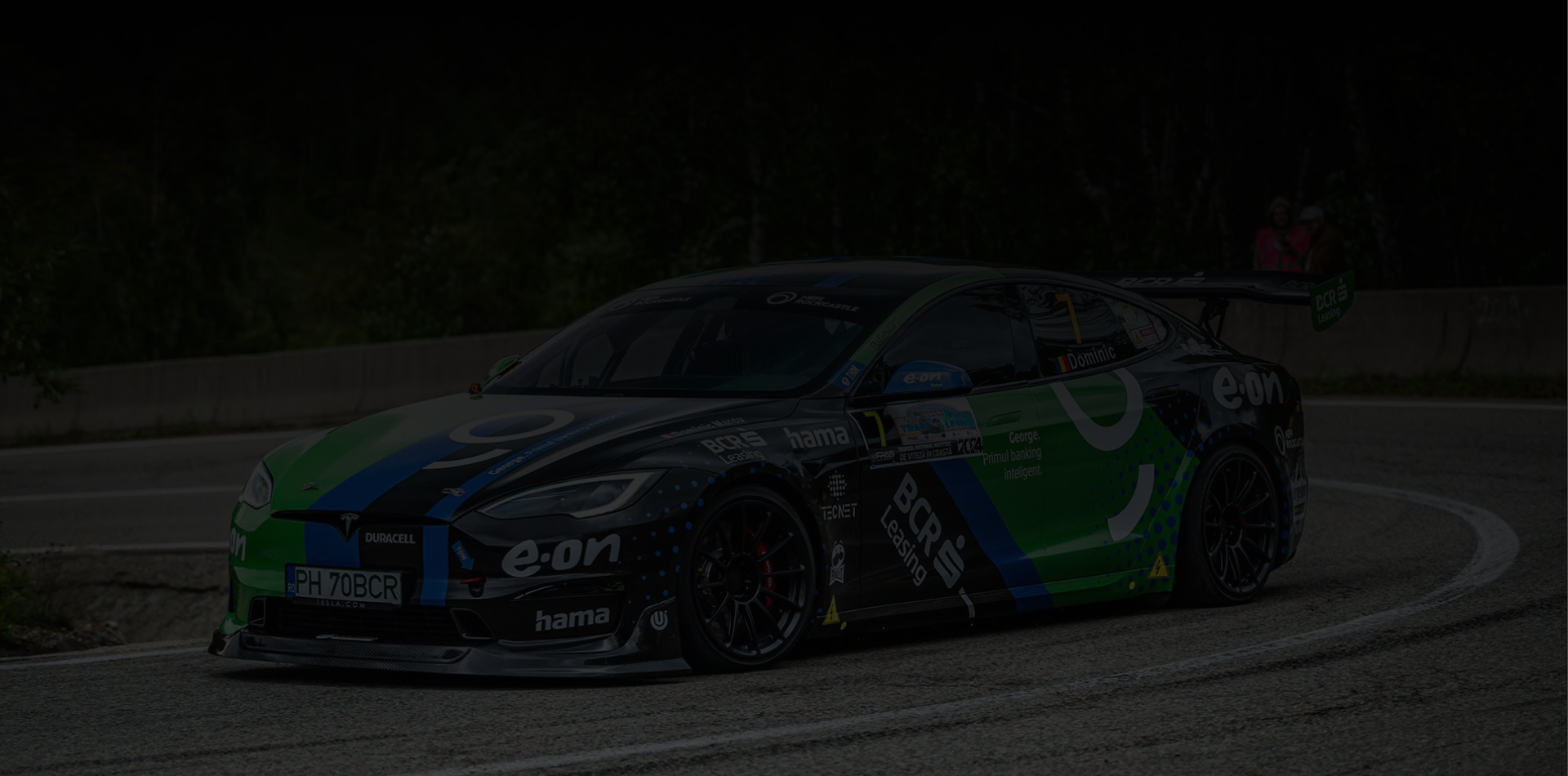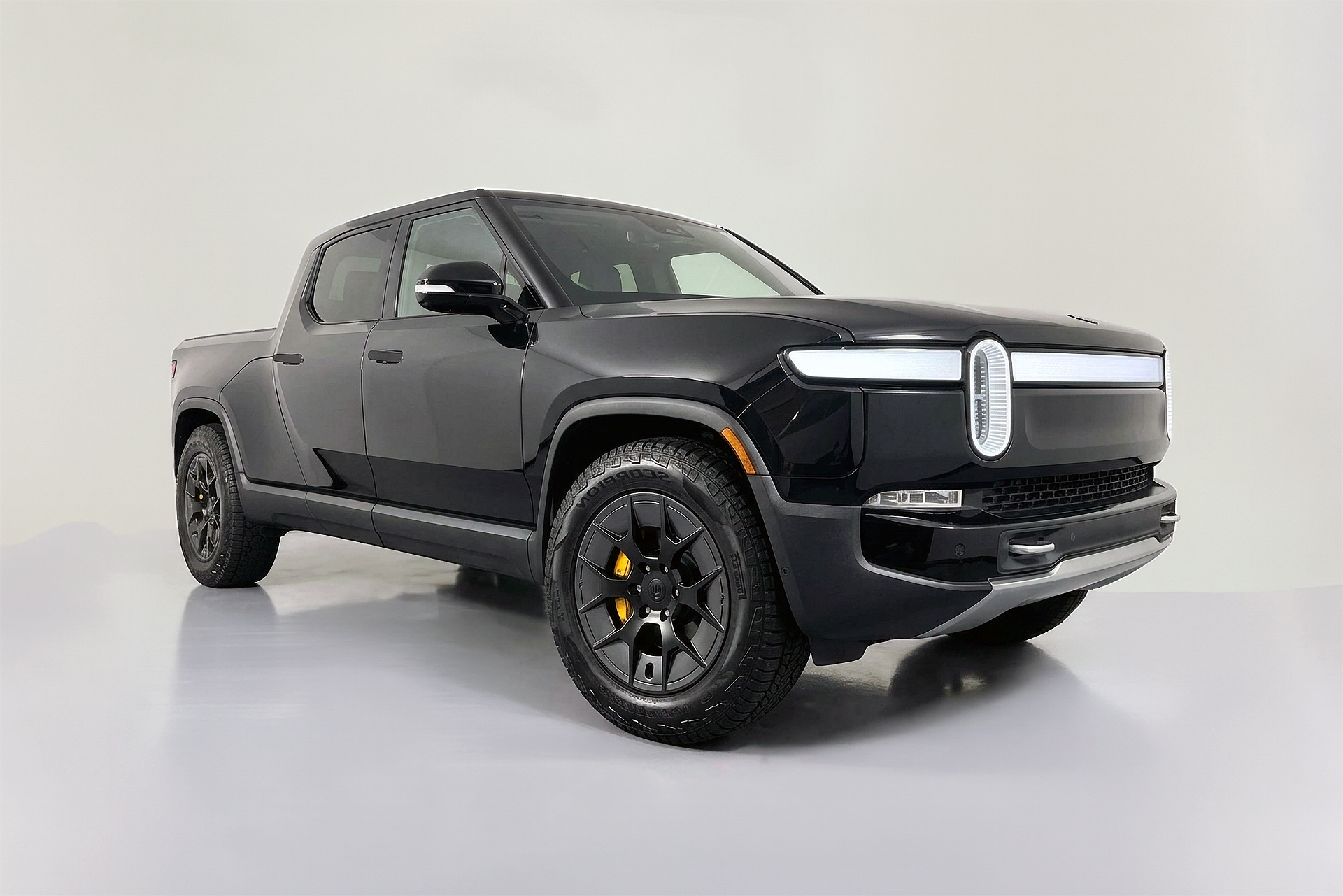
Most aftermarket wheels are styled. UP.Forged wheels are designed. The distinction matters, because styling is the application of aesthetics to a finished object, while design is the process of making form and function inseparable from the start. The UP.Forged lineup approaches wheels the way the best automotive design houses approach entire vehicles: with a clear engineering brief, a collaborator whose credentials belong in the same conversation as Ferrari and Bugatti, and a finishing standard that can hold its own against the wheels that come from the factory on six-figure cars.
Unplugged Performance Design Team and the UP-05
The most visible design statement in the UP.Forged catalog is the UP-05, developed in direct collaboration with a legendary automotive designer. Our wheel designer’s background is not in the aftermarket wheel industry. His portfolio was built at Lamborghini and Bugatti, two marques whose visual identity defines the upper boundary of automotive design ambition. His fluency is in forms that communicate performance without resorting to aggression, and in designs that read as timeless rather than trendy.
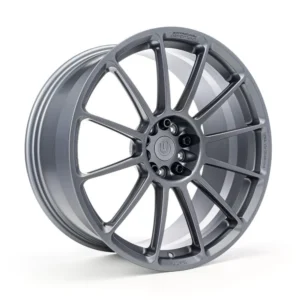
The UP-05 carries a Y-spoke architecture that he describes as intentionally enduring. The spoke profiles are not decorative geometry. They taper at points of low structural demand and widen under load paths, communicating the engineering inside the visual surface. Each UP-05 is engraved with his signature, a detail that places these wheels in the lineage of signed coachwork and bespoke body design rather than production-line manufacturing. For owners of vehicles where design pedigree is part of the purchase rationale, the collaboration is a meaningful one.
The UP-05 is available in sizes from 18 to 21 inches with fitment options across multiple platforms, making its design language accessible to a wide range of performance and luxury applications. Whether fitted to a daily performance sedan or an aggressively configured SUV, the proportions work across the full dimensional range.
The UP-03: Engineering as Visual Language
Where the UP-05 begins with an aesthetic brief, the UP-03 began with an engineering one and earned its appearance honestly. The multi-spoke layout with I-beam cross-section profiles exists because finite element analysis identified those shapes as optimal for the load paths running through the wheel under cornering, braking, and acceleration. Material was removed from low-stress regions. It was concentrated where the structural analysis demanded it. The visual result is a wheel that looks purposeful because it is, and that distinction is readable from across a parking lot.
The Race Spec variant extends this further, with spoke geometry calibrated for extreme fitments and maximum contact patch. These wheels are not attempting to look like race wheels. They are race wheels, and the honesty of that reads through the design with a clarity that purely styled wheels rarely achieve.
Finish Options That Sit Alongside European Luxury Standards
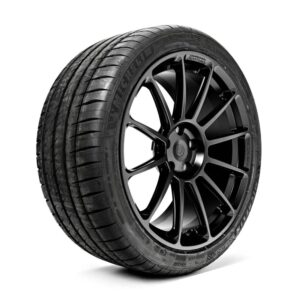
The finish specification for UP.Forged wheels is built to sit in the same visual conversation as the factory wheel options on Porsche, BMW M, and Mercedes-AMG vehicles. Standard options include Gloss Black, Satin Black, Satin Bronze, and Satin Titanium, each calibrated to complement specific body color families rather than existing as generic choices. Gloss Black creates hard contrast against light exteriors and reads as overtly performance-oriented. Satin Black works across most body colors with texture differentiation carrying the visual weight. Satin Bronze and Satin Titanium introduce the warm metallic registers common in European bespoke wheel finishing, adding the kind of material warmth that cold, high-gloss surfaces cannot provide.
For owners who require a specific finish to match an exterior paint, interior trim specification, or personal brief, UP.Forged offers a fully custom color program. This is not a palette selection from a dropdown. It is a specification process with Unplugged Performance’s finishing team, producing a wheel that is unique to the vehicle it is fitted to. The ceiling of this program is wherever the owner places it.
Design That Respects the Vehicle It Accompanies
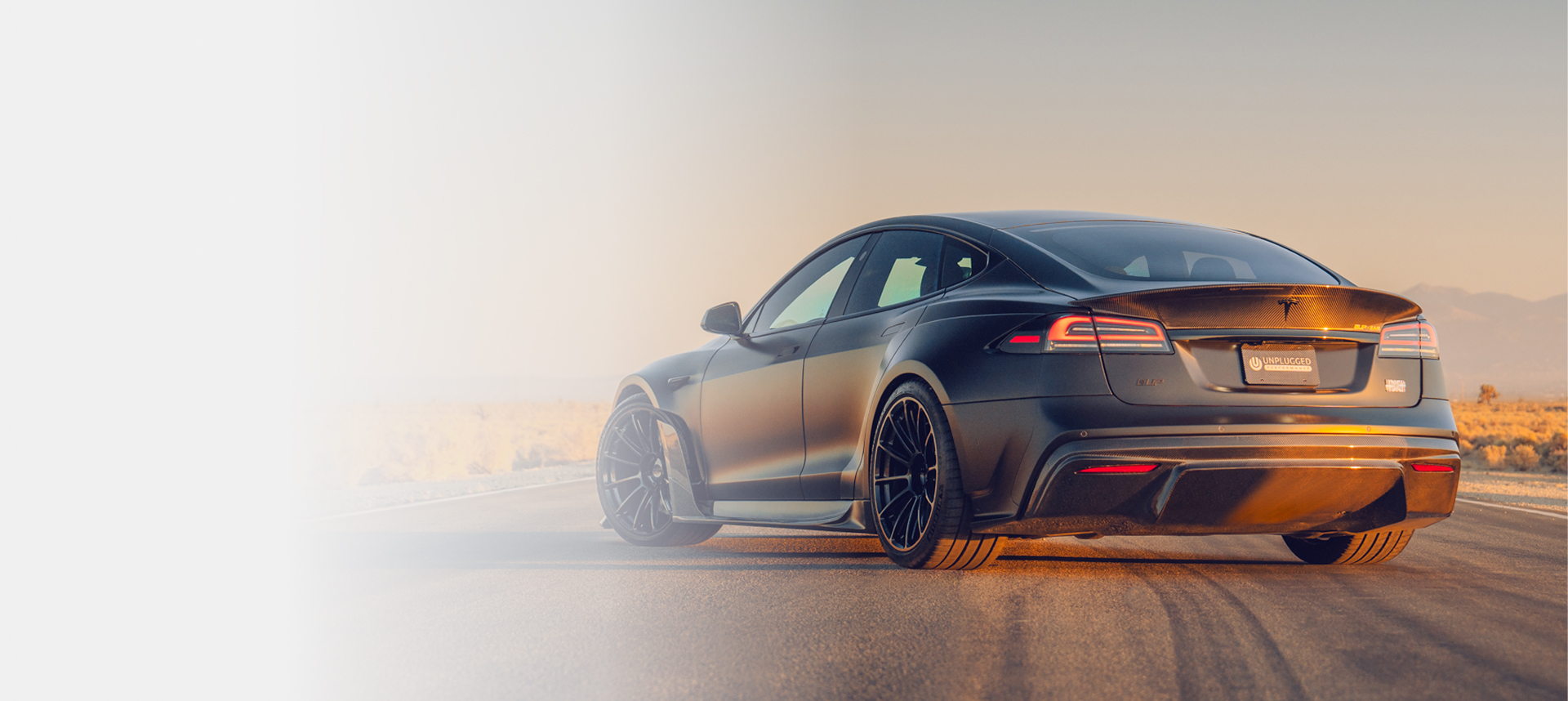
There is a category of aftermarket wheel that exists in tension with the car beneath it, drawing attention through visual conflict rather than visual coherence. UP.Forged designs are calibrated to amplify the language of high-performance and luxury vehicles rather than compete with it. The spoke proportions, the surface transitions, the relationship between the face and the barrel: these are resolved with the same attention to detail that manufacturers like Porsche and Ferrari apply to their factory wheel designs, which are themselves among the most carefully considered components on the vehicle.
This coherence is not accidental. It comes from a design process that begins with the wheel as a component of the car rather than as a standalone product, and from collaboration with a designer who has spent a career thinking about automotive forms in exactly those terms.
The Aero Wheel Without the Plastic
One of the more interesting design problems UP.Forged addresses is the aero wheel. Factory aero covers, fitted to many production performance vehicles to reduce turbulent airflow around the wheel arch, are effective at their stated purpose but represent a visual and material compromise. They are plastic overlays on cast wheels, optimizing one variable while accepting limitations in others.
The UP-RW Road Warrior addresses this with a flat-face forged structure that achieves aero performance through shape rather than overlay. The design is CFD-validated, the material is fully forged, and the result is a wheel that matches the range and drag performance of aero-optimized factory options without the visual softness of a plastic cover. On a performance vehicle where every detail is expected to justify its presence, this matters.
UP.Forged wheel design does not ask the owner to compromise between what the wheel looks like and what it does. The design is the engineering, expressed on the surface of a component that is visible from the outside of the vehicle at all times. That is the standard that belongs on a car where the rest of the vehicle was built to the same logic.