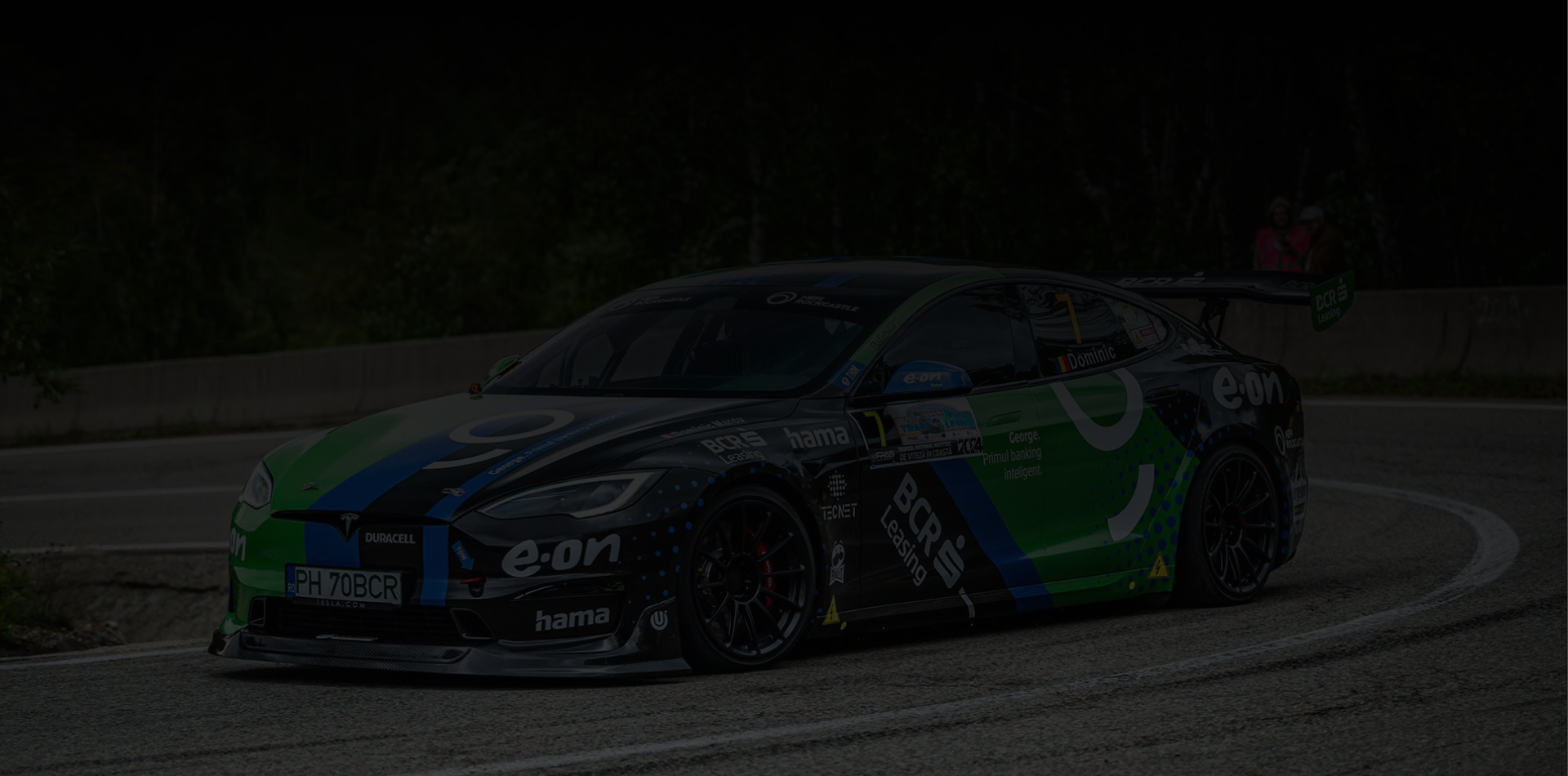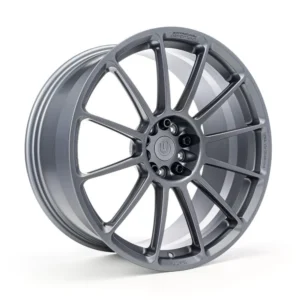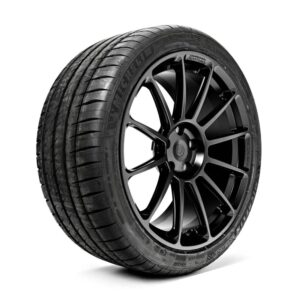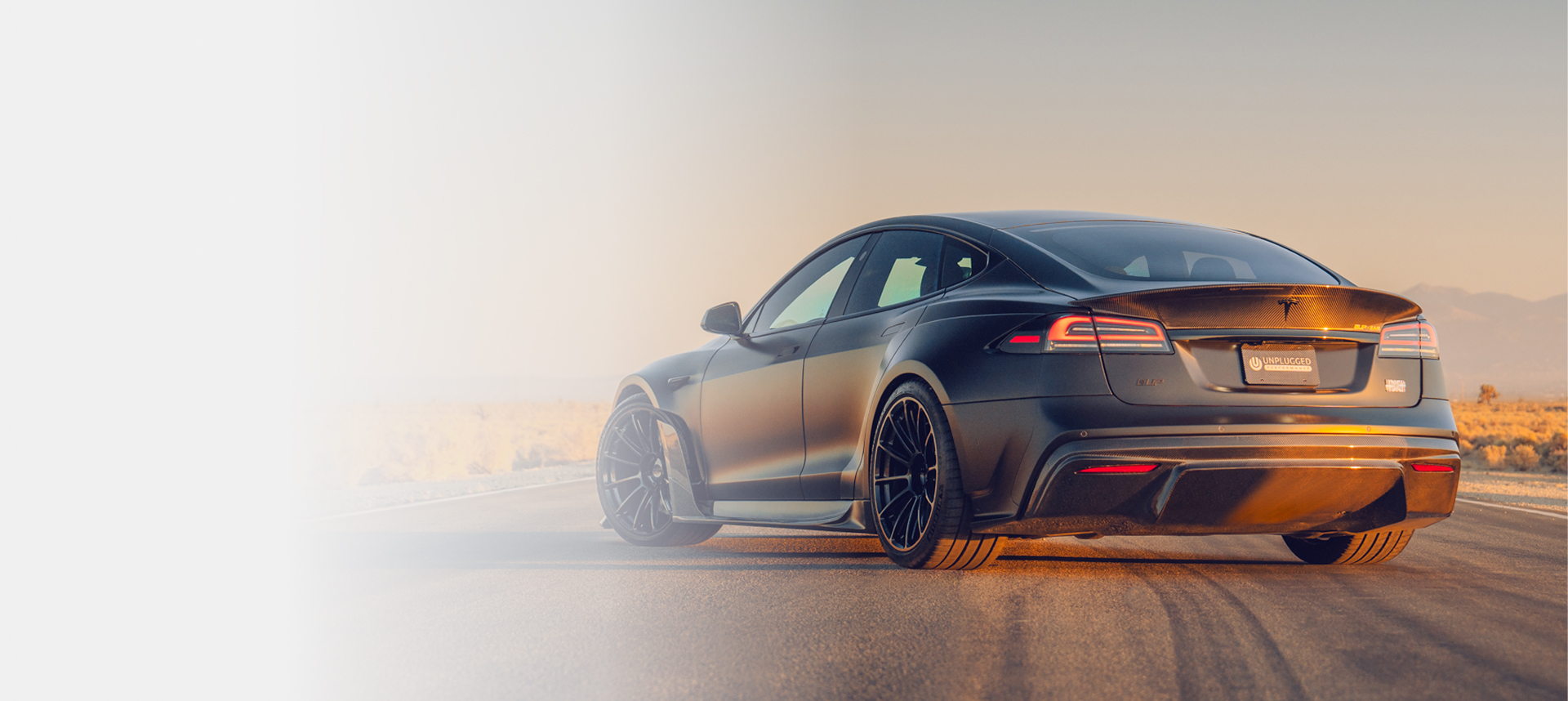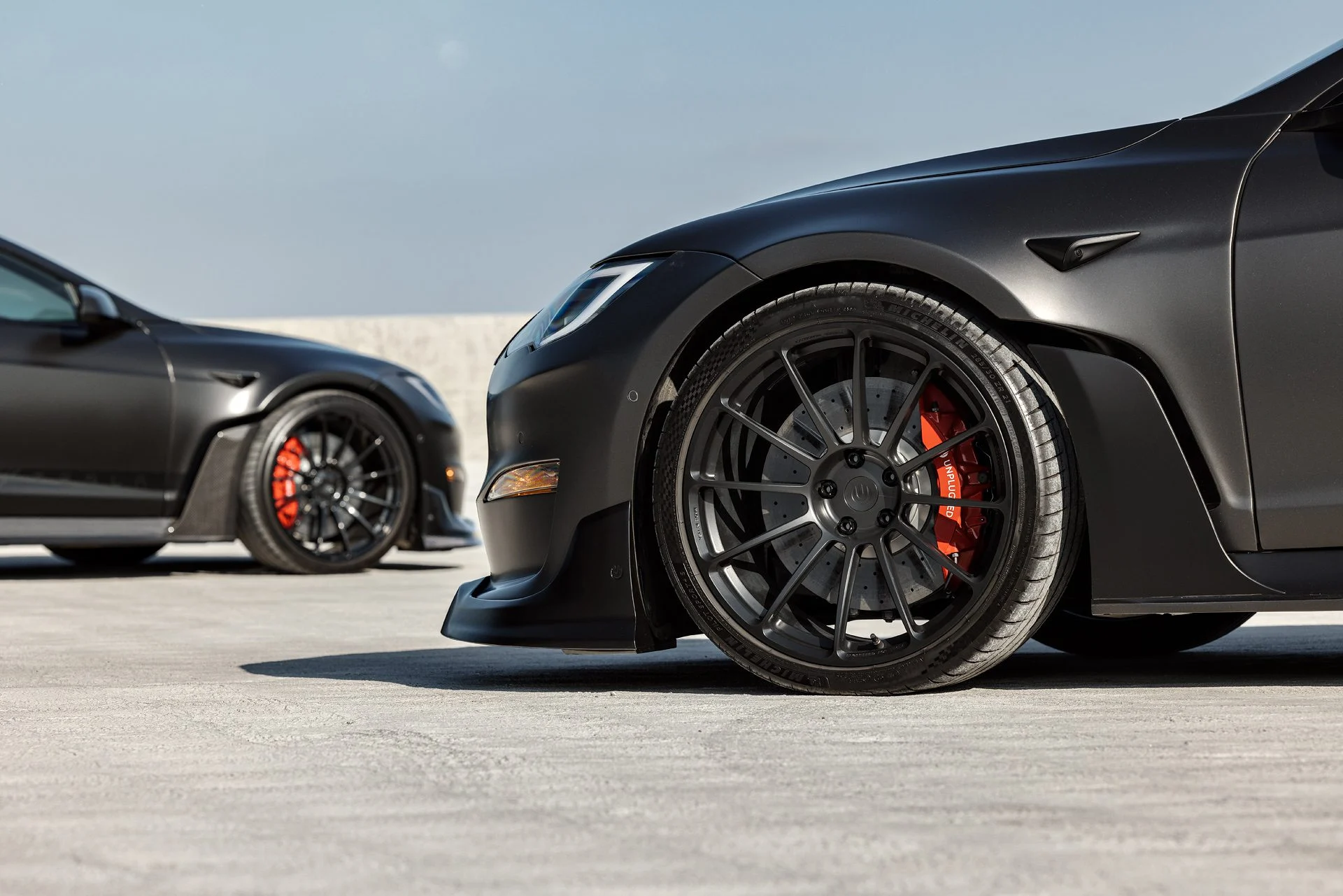
Electric vehicles did not just change the powertrain. They rewrote the requirements for every component that connects the car to the road. Wheels, more than almost any other part, had to evolve to survive the specific abuse of instant torque, extreme unsprung load, and relentless regenerative braking. UP.Forged began its engineering journey in that demanding environment, solving problems that conventional wheel manufacturers had never been forced to confront. What emerged is a wheel specification that doesn’t just serve EVs well. It sets a new performance baseline that every serious wheel choice, for any high-performance vehicle, should be measured against.
The Problem That Changed Wheel Engineering
A combustion engine builds torque progressively. Even in a high-strung Ferrari V12 or a Porsche flat-six at redline, there is a curve between intent and delivery. An electric motor has no such curve. From a standstill, full torque arrives at the wheel before the tire has had time to warm, before the suspension has loaded, before anything has settled. This places stress on the wheel in ways that decades of conventional automotive engineering had never fully addressed.
Cast aluminum wheels, the standard across virtually every production vehicle including many supercars and luxury flagships, are formed by pouring molten metal into a mold. The process is cost-effective, but it leaves microscopic voids and grain inconsistencies throughout the material. Under gradual, progressive loading, these imperfections rarely cause problems. Under the sudden, cyclic, high-magnitude loads of a high-torque vehicle, they become the origin point for fatigue cracks. UP.Forged identified this failure mode early and engineered away from it entirely.
Aerospace Aluminum and What It Actually Means
Every UP.Forged wheel is produced from 6061-T6 forged aluminum, the same alloy and temper specification used in structural aerospace applications. The 6061 designation indicates a precipitation-hardened alloy with an established balance of tensile strength, corrosion resistance, and machinability. The T6 temper means the material has been solution heat-treated and artificially aged to peak hardness. This is the specification chosen when failure carries consequences, and it is not the specification used when cost is the primary engineering driver.
The forging process itself does something that casting cannot replicate. When aluminum billet is forged under pressure, the internal grain structure aligns with the shape of the finished part. Metallurgists call this streamlined grain flow. It eliminates the random